
Sugar Rush: Unwrapping Sugar Tax Policies
Haruka Yamano
29 Dec 2023
What is the sugar tax policy?
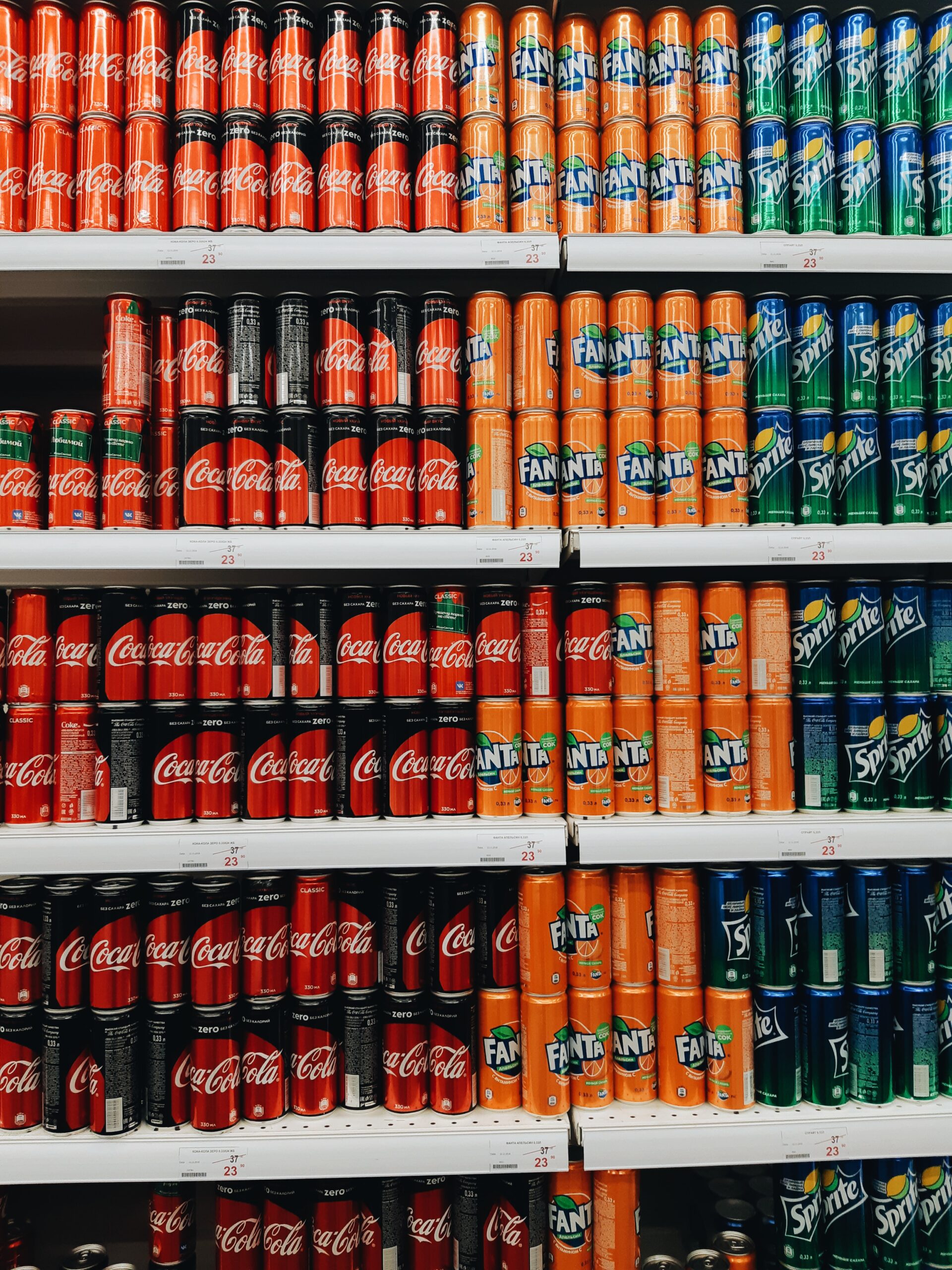
Otherwise known as the soda tax, the soda tax is a tax imposed on sugary drinks, which can potentially cause health issues (such as diabetes, heart disease, etc). Some countries with this tax include the UK, Mexico, South Africa, some US states, etc. They are implemented to reduce sugar-sweetened beverage consumption, for the health of citizens. However, a question comes to mind when thinking about sugar taxes. Does this really improve the health of citizens?
How does the sugar tax improve the health of citizens?
Following the law of demand, higher costs automatically indicate a lower quantity demanded. Additionally, with the sugar tax policy implemented, consumers would have to pay a much higher cost to purchase these beverages. Therefore, consumers would be less willing and able to purchase these goods. Thus, they would turn to healthier, sugar-free alternatives, such as sugar-free fruit juices, tea, or even water.
Research by Berkeley Public Health states that “Oakland residents have bought fewer sugary beverages since a local ‘soda tax’ went into effect, and that is likely improving their health and saving the city money”. Statistically speaking, purchases of sugar-sweetened drinks have dropped by 26.8% (PLOS Medicine). Due to the drop in sugar-sweetened drink consumption, we can automatically deduce that citizens’ diets and health started to get better. As mentioned above, with the disposable income they save without purchasing sugary beverages, citizens will turn to healthier substitutes. Although this could potentially cost them more money (since non-sugar-sweetened beverages tend to be more expensive than that which is sugar-sweetened), the overall effect of this would cost them less money. Research shows that the lower consumption of sugar-sweetened beverages over 10 years in Oakland saved the city more than $100,000 per 10,000 residents in healthcare costs. Moreover, research by UCSF found that sugar beverage taxes in five cities (including Oakland) have significantly lowered the risk of diabetes and unhealthy weight gain in pregnant mothers. The above research shows that sugar taxes are highly beneficial to many, and in the end, these benefits would cost much less than potentially purchasing sugar beverages instead of healthier alternatives.
What are some potential struggles the sugar tax could face?
On the flip side of the above-stated research, there are several struggles the sugar tax could face as there are loopholes to this policy.
Firstly, even if the sugar tax is implemented, some stores produce goods at a much cheaper price than the market/equilibrium price, therefore, consumers may run to those stores to purchase these goods at a lower price than what the government expects. Therefore, their addiction to these drinks would not change much, and continue purchasing, overall having no significant effect on their health.
Secondly, consumers could potentially run to other high-calorie foods or drinks, that do not get taxed by the sugar tax. This way, they could purchase drinks that could still be unhealthy to them, but not have a significant impact on their spending. This would make them free of worries regarding their spending, yet still, their health is at risk. Again, in this case, there would be no impact on their health both before and after this tax has been implemented.
Thirdly, many consumers are addicted to sugar-sweetened beverages. This makes them highly vulnerable to this policy, and would still purchase no matter the cost, as this good would be highly inelastic to them. Therefore, in this case, there would be no change in their health if they had enough disposable income they could spend on other goods as well. However, if this is not the case, and if they spend all their income on sugar beverages, they will not have enough money to purchase other necessities important in their life, such as food, shelter, etc. This could worsen their diet and health habits and could lead to a worse impact on their health.
So, are sugar taxes beneficial to society?
Now, we come to the final question of whether sugar taxes should be implemented or not. There are several cases where the sugar taxes were successful, such as the example above, as well as some cases in Mexico and the UK. However, there would still be some consumers who are overly addicted to sugar-sweetened beverages that experience the burden of these taxes. This could turn into a positive effect, or sometimes a negative effect. It does depend on the consumers if the sugar tax benefits them or not, yet in most cases, they are beneficial to most people in society. All in all, sugar taxes are indeed beneficial to society, however, there are several factors we must consider once these are implemented, and take special care of those addicted and the loopholes of this policy.
Want to learn more? See these additional resources:
- https://publichealth.berkeley.edu/news-media/research-highlights/sugary-drink-tax-improves-health/
- https://www.ucsf.edu/news/2023/04/425096/does-taxing-sugary-drinks-lead-improved-health-during-pregnancy
- https://iea.org.uk/publications/research/sugar-taxes-a-briefing
- https://www.obesityevidencehub.org.au/collections/prevention/countries-that-have-implemented-taxes-on-sugar-sweetened-beverages-ssbs






Leave a Reply
You must be logged in to post a comment.